
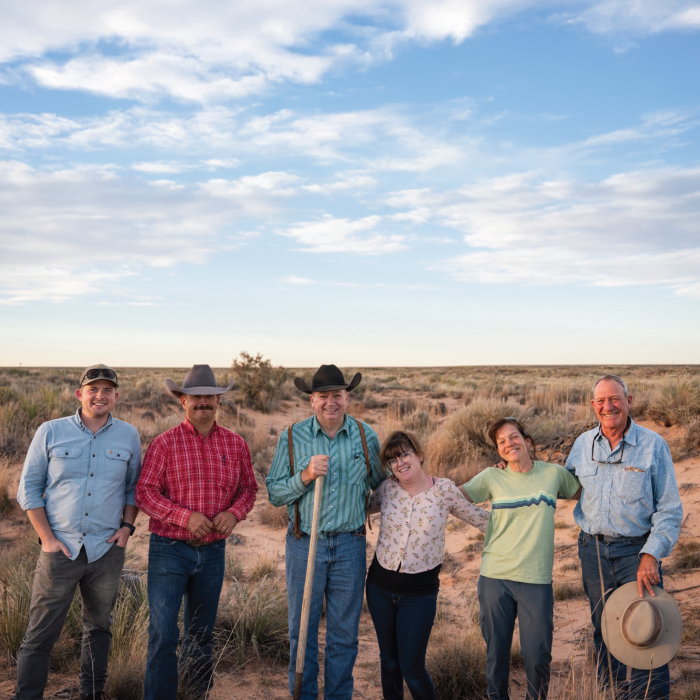
Numbers can tell you that a species recovered or that a partnership held. They can't tell you what it took to get there, the meetings, the trust-building, the moments where collaboration could have broken down but didn't. These are the stories behind the outcomes, told by the people who lived them.
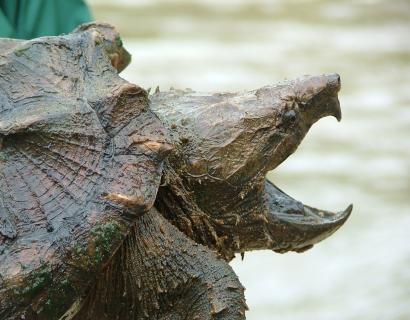
A U.S. Fish and Wildlife Service poaching case set off a multi-agency effort to return confiscated alligator snapping turtles to their native Texas waters, an effort built on landowner cooperation and voluntary collaboration.
A U.S. Fish and Wildlife Service poaching case set off a multi-agency effort to return confiscated alligator snapping turtles to their native Texas waters, an effort built on landowner cooperation and voluntary collaboration.
Eight practices for collaborative conservation, drawn from real coalition experience and gathered as a living guide for building lasting partnerships between landowners, agencies, and communities.

In Puerto Rico, a centuries-old farming tradition is quietly proving that conservation and economic survival were never actually at odds.
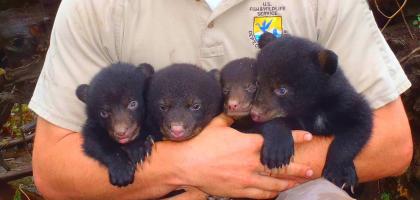
In the early 1990s, two species were listed under the Endangered Species Act. One approach led with regulation, the other with collaboration, and the difference changed how conservation works today.
