For decades, wildlife conservation defaulted to a single-species and regulatory-first model. It didn't always work.
CWC advances a different default: one that starts with collaboration, thinks at ecosystem scale, and treats neighbors as partners.
— The Central Idea
Same Summer.
Different Stories.
— THE CWC APPROACH
Louisiana Black Bear — 1990
- Recovered. Delisted 2016.
- Collaboration as the first move
- Landowners treated as partners, not adversaries
- Trust built across agencies, tribes, and communities
- Ecosystem-scale thinking from day one
— THE OLD APPROACH
Northern Spotted Owl — 1990
- Still listed. Still declining.
- Regulation as the first and only move
- Species isolated from the people who share its habitat
- Conflict between agencies, landowners, and communities
- Silos reinforced. Trust never built.
26
Years
From listing to full recovery
Louisiana Black Bear — delisted 2016
8
Principles
Operating principles
Binding coalition members in common purpose
30+
Members
Coalition organizations
Agencies, landowners, NGOs & communities

Proof
Restoring Alligator Snapping Turtles to Their Native Waters
A poaching case set off a multi-agency effort to return confiscated alligator snapping turtles to their native Texas waters, built on landowner cooperation and voluntary collaboration. It is one of several stories showing what that collaboration looks like on the ground.
– The Ecosystem Mandate
The authority has always been there. We just need to use it.
The ESA's ecosystem mandate, written in 1973, authorizes conservation at the scale the land actually operates. Not single species in silos. Whole landscapes. CWC is built to use it.
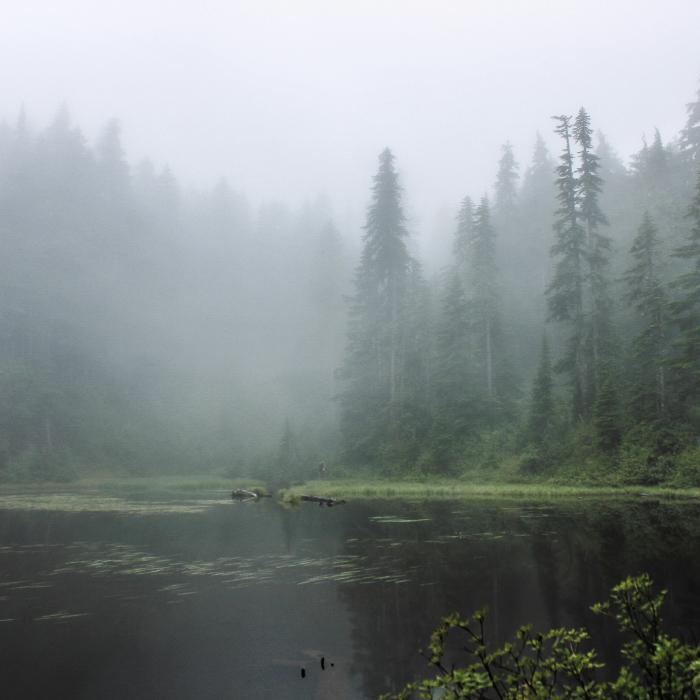
Our Operating Principles
How we work together matters.
These aren't rules or checkboxes. They're the shared philosophy that binds coalition members in common purpose — eight principles, built around trust, collaboration, and the scale the land actually demands.
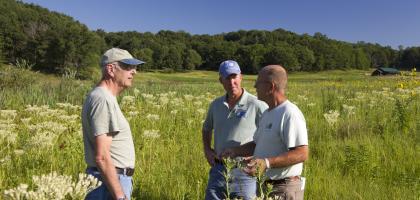
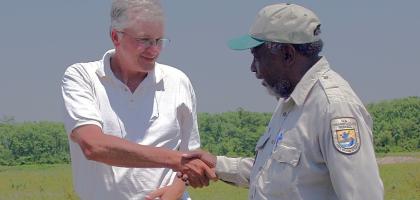

Leadership Spotlight
Leo Miranda-Castro
Owner
"The carrot tends to be more effective than the stick. Innovative approaches where species are viewed as assets rather than liabilities — that is the way forward."

Contributor Spotlight
Bill Kirby
Natural Resource Management Director
"We don't just sell water. Native species conservation is a part of that. We take that role seriously."
— COALITION MEMBERS & PARTNERS
A coalition of 30+ organizations united around a common approach.
Agencies, landowners, conservation groups, tribal nations, universities, and private landowners — all working toward the same goal.